Christmas Gamer: A Holiday Design for the Modern Maker
The Warm, Casual Charm of Christmas Gamer
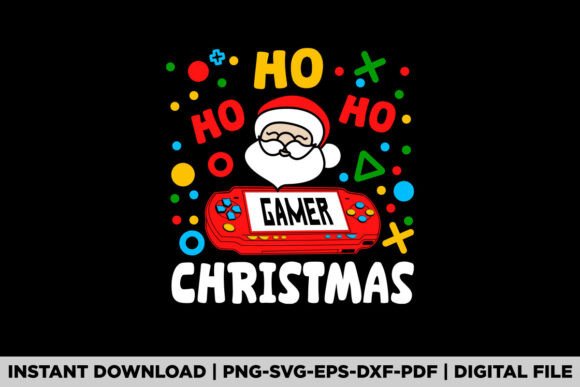
When I first opened the Christmas Gamer file, I got a feeling of comfortable holiday fun. The name itself sets the tone—it’s not overly formal or ornate. This design feels like it belongs on a cozy sweatshirt or a casual tote bag, something meant for relaxed holiday gatherings or a gift for someone who enjoys their downtime. The theme cleverly bridges two worlds: traditional holiday cheer and a contemporary, personal hobby. Visually, I imagine it has a friendly layout, likely with elements that are illustrative rather than hyper-realistic, which is perfect for embroidery. The detail level is probably balanced—enough to be recognizable and engaging, but not so dense that it becomes a stitching challenge on common fabrics. Its personality is approachable and specific, which is a huge strength. It doesn’t try to be for everyone; it speaks directly to a certain someone, and that’s where its real value lies.
Where This Design Finds Its Best Home
In my workshop, I immediately think of application. Christmas Gamer is clearly categorized as a T-Shirt Design and falls under Graphics, which tells me it’s meant for apparel and decorative surfaces. My mind goes straight to a mid-weight cotton sweatshirt or a sturdy canvas tote bag. These are my go-to products for designs with a casual, personality-driven vibe. I picture stitching this onto a heather gray sweatshirt for a dad or a son—the colors would pop nicely, and the finished product would feel like a personalized, thoughtful gift rather than a generic holiday item.
For small business owners and Etsy sellers, this design is a superb option for boutique merchandise around the holidays. Imagine a simple, well-executed embroidery of Christmas Gamer on the corner of a pillow cover or the front of an apron. It becomes a conversation piece. It could also shine as a standalone embroidered patch, applied to a backpack or a hat, offering versatility. For baby clothes or nursery decor, you’d need to be selective—ensure the scale is appropriate and the fabric is suitable—but on a little onesie for a family of gamers, it would be a charming and unique touch. The key is matching the design’s mood to the product’s purpose. It’s not for a formal table linen, but it’s perfect for a kitchen towel in a fun home or a cap for a holiday outing.
A Real Scenario: The Custom Holiday Tote
Let’s walk through a real project. I’m preparing a custom embroidered tote bag as a gift for a friend. I choose a natural cotton canvas bag. My first step is always to test the embroidery file on a scrap of similar fabric. For a design like Christmas Gamer, I’d check the stitch density on my machine embroidery design to see how it behaves on a textured fabric. Canvas can handle moderate density well, but I’d watch for any very dense fill stitch areas that might cause puckering. I’d also review the small details—perhaps any tiny lettering or decorative accents—to ensure they stitch out clearly. Using a proper stabilizer is non-negotiable here for a clean finish.
The visual appeal on a product like this is high. The handmade presentation feels intentional and professional. For my craft business, a clean stitch-out on a tangible product builds immediate customer trust and enhances the product’s value. It looks like a quality handmade product, not a cheap transfer. When I list this tote on my Etsy shop, the embroidery becomes the centerpiece of the photos. It’s recognizable and engaging, telling a story that a buyer can instantly connect with. This directly boosts buyer engagement. The giftability is excellent because it’s both a holiday item and a personally relevant one.
Practical Considerations for Stitching Success
While Christmas Gamer is ideal for many projects, a professional designer knows to identify where a design should be used carefully. First, hoop size. If the design has any sizable dimensions, a small hoop might not be appropriate. You need to confirm the design’s compatibility with your available hoop sizes before committing to a project.
Fabric choice is critical. On thin or stretchy fabric like a lightweight t-shirt, a design with significant satin stitch or fill stitch areas might require extra stabilizer and possibly even a change in needle type to prevent distortion. For dark fabric backgrounds, thread color contrast is everything. I always advise checking the design in a black and white mockup to see if the elements hold their shape without color, and then planning a thread palette that will stand out against dark navy or black cotton.
Curved surfaces like caps present a unique challenge. The design’s layout needs to accommodate the curve. If Christmas Gamer has a very wide, horizontal layout, it might not fit well on the front of a cap without significant resizing, which can compromise detail clarity. Similarly, products that need frequent washing, like baby clothes or kitchen towels, demand robust stitching. Check that the running stitches and outlines are secure and that the overall stitch density isn’t so low that it risks fraying over time.
Notes for the Embroidery Designer
Before loading this digital embroidery file for any real project, whether personal or commercial, run these checks. Test on scrap fabric first. This is the single most important step. It reveals how the design behaves with your specific machine, thread, and material combination.
- Review stitch density by observing the stitch-out. Are there areas that look overly packed or too sparse?
- Inspect small details after stitching. Do any corners or fine lines blur or break?
- Compare how it looks on both light and dark fabric backgrounds by stitching on two scraps. This helps plan future projects.
- Use proper stabilizer for the specific fabric. A tote bag might need a cut-away, while a t-shirt might require a delicate tear-away.
- Most importantly, confirm the licensing terms of the design before selling finished items or using it in commercial embroidery projects. This is a fundamental step for any digital product seller or creative entrepreneur. The product description suggests it’s for various occasions and recipients, but the license for commercial use of the graphics must be clearly understood.
Why This Design Works for Makers and Businesses
Christmas Gamer succeeds because it has a clear audience. As a designer reviewing it for real use, I see its strength in its specificity. It doesn’t feel generic. When stitched well, it adds a layer of personality to a handmade product that generic holiday motifs lack. For a small shop product, this means your merchandise stands out at a craft fair. For an Etsy seller, it allows you to target a niche within the holiday market, which can be a powerful strategy.
The design affects brand consistency if you’re a business that caters to a modern, relaxed, or geek culture vibe. Incorporating it into your holiday line keeps your brand voice coherent. For the hobbyist making personalized gifts, it provides a ready-made, professional-looking design asset that saves time and guarantees a quality result, assuming the file is well-digitized.
In the end, the value of any embroidery design is measured on the finished product. Christmas Gamer, from my practical judgment, seems crafted to create a warm, recognizable, and engaging emblem on the right project. Its appeal lies in its straightforward celebration of a hobby within a holiday tradition. By choosing the appropriate fabric, carefully testing the stitch-out, and applying it to products that match its casual charm—like sweatshirts, totes, or aprons—you can create a holiday gift or commercial product that feels thoughtfully made and genuinely appreciated.